
Essential Pregnancy Care Tips for First-Time Mothers

Pregnancy is a life-changing journey filled with excitement, questions, emotional moments, and new experiences. For first-time mothers, it can also bring uncertainty about what is normal, what to expect, and how to take care of both mother and baby throughout the pregnancy journey.
Every pregnancy is unique, and while advice from family and friends can be comforting, professional pregnancy care remains essential for monitoring maternal and fetal well-being. From healthy eating habits and prenatal checkups to sleep, exercise, and emotional health, taking the right steps during pregnancy can support a healthier and more comfortable experience.
Understanding essential pregnancy care tips for first-time mothers can help women feel more prepared and confident during each trimester.
Why Regular Prenatal Checkups Are Important During Pregnancy
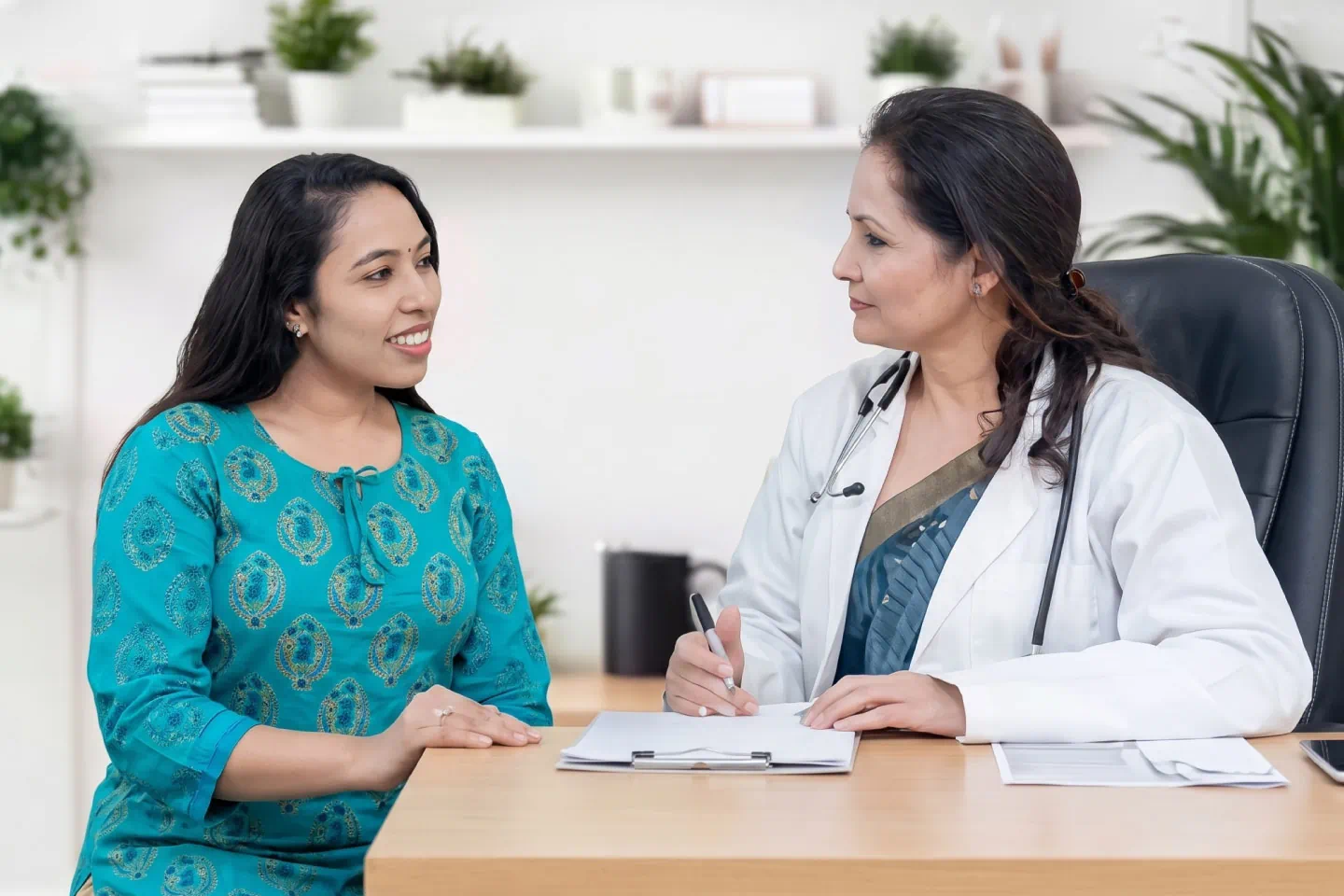
One of the most important aspects of pregnancy care is attending regular prenatal checkups. These appointments help monitor the health of both mother and baby throughout different stages of pregnancy.
Routine prenatal visits may include:
- Monitoring blood pressure and weight
- Tracking fetal growth and development
- Discussing pregnancy symptoms
- Screening tests and ultrasounds
- Nutritional guidance
- Managing existing medical conditions
Many first-time mothers may feel nervous before appointments, especially during the early months. However, regular consultations provide an opportunity to ask questions, discuss symptoms, and receive guidance tailored to your pregnancy needs.
Timely prenatal care can also help identify potential concerns early and support better monitoring throughout pregnancy.
Healthy Diet Tips for Pregnant Women and Baby Development
Nutrition plays an important role in pregnancy care. A balanced diet during pregnancy supports maternal health and fetal development.
Pregnant women are often told to eat for two, but the focus should be on eating nutritious and balanced meals rather than excessive portions.
A healthy pregnancy diet may include:
- Fresh fruits and vegetables
- Whole grains
- Protein-rich foods
- Dairy products or calcium-rich alternatives
- Iron-rich foods
- Adequate hydration
Folic acid, iron, calcium, and protein are especially important nutrients during pregnancy. Your Gynecologist may also recommend prenatal supplements based on individual nutritional needs.
Certain foods may need to be limited or avoided during pregnancy, including:
- Raw or undercooked meat
- Unpasteurised dairy products
- Excess caffeine
- Alcohol
- Highly processed foods in excess
Healthy eating habits during pregnancy can support energy levels, fetal growth, and overall well-being for first-time mothers.
Common Pregnancy Symptoms in the First Trimester and How to Manage Them
The first trimester often brings major physical and emotional changes as the body adjusts to pregnancy.
Common first trimester symptoms include:
- Morning sickness
- Fatigue
- Breast tenderness
- Mood changes
- Frequent urination
- Food cravings or aversions
Morning sickness can happen at any time of the day and may vary from mild nausea to more persistent symptoms. Eating smaller meals, staying hydrated, and avoiding strong smells may help reduce discomfort for some women.
Fatigue is also common during early pregnancy. Rest, proper hydration, and balanced nutrition can support energy levels.
While many symptoms are normal, severe vomiting, dehydration, heavy bleeding, or severe abdominal pain should be discussed with a Gynecologist.
Safe Exercise During Pregnancy for First-Time Mothers
Many women wonder whether exercise is safe during pregnancy. In many cases, light to moderate physical activity may support overall health and comfort during pregnancy when advised by a healthcare professional.
Safe pregnancy exercises may include:
- Walking
- Prenatal yoga
- Stretching
- Low-impact workouts
- Breathing exercises
Regular physical activity during pregnancy may help support:
- Better circulation
- Improved energy levels
- Reduced stress
- Better sleep
- Back pain management
However, every pregnancy is different. Women with high-risk pregnancies or certain medical conditions may require modified activity recommendations.
It is important to avoid intense workouts, heavy lifting, or exercises with a high risk of falling unless specifically guided by a healthcare professional.
Importance of Emotional Health and Mental Wellbeing During Pregnancy
Pregnancy affects emotional health as much as physical health. Hormonal changes, lifestyle adjustments, and anxiety about childbirth or parenting can influence mental well-being.
First-time mothers may experience:
- Mood swings
- Emotional sensitivity
- Anxiety
- Sleep disturbances
- Fear about labour and delivery
Having emotional support from family, friends, and healthcare professionals can make a meaningful difference during pregnancy.
Simple steps that may support emotional well-being include:
- Resting adequately
- Talking openly about concerns
- Practising relaxation techniques
- Staying physically active
- Limiting unnecessary stress
If emotional symptoms become overwhelming or persistent, discussing them with a healthcare professional is important.
Pregnancy Sleep Tips for Better Rest and Comfort
Sleep difficulties are common during pregnancy, especially as the body changes over time.
Pregnant women may experience:
- Difficulty finding a comfortable sleeping position
- Frequent urination at night
- Leg cramps
- Heartburn
- Anxiety-related sleep disturbances
Some pregnancy sleep tips include:
- Sleeping on the left side when comfortable
- Using pregnancy pillows for support
- Avoiding heavy meals before bedtime
- Staying hydrated during the day
- Creating a calming bedtime routine
Adequate sleep is important for overall maternal health and energy levels during pregnancy.
Warning Signs During Pregnancy That Should Not Be Ignored
While many pregnancy symptoms are normal, certain signs may require prompt medical attention.
Contact your Gynecologist if you experience:
- Heavy bleeding
- Severe abdominal pain
- Persistent vomiting
- Sudden swelling
- Severe headache
- Fever
- Reduced fetal movement in later pregnancy
- Blurred vision
Seeking medical advice early may help assess symptoms appropriately and guide further care when needed.
Avoid self-medication during pregnancy unless specifically advised by a qualified healthcare professional.
How to Prepare for Labour and Delivery as a First-Time Mother
As pregnancy progresses, many women begin thinking about labour, delivery, and childbirth preparation.
Preparing for labour may include:
- Attending prenatal consultations regularly
- Learning about labour signs
- Discussing birth preferences
- Preparing hospital essentials
- Understanding pain management options
- Planning postpartum support
First-time mothers often feel anxious about childbirth, but learning about the process and discussing concerns with a Gynecologist can help improve confidence and preparedness.
Every labour experience is different, and flexibility is important as delivery plans may sometimes change depending on medical circumstances.
Importance of Postpartum Care After Delivery
Pregnancy care continues even after childbirth. The postpartum period is an important time for recovery, emotional adjustment, and newborn care.
Postpartum care may involve:
- Monitoring physical recovery
- Managing breastfeeding concerns
- Emotional well-being support
- Nutritional guidance
- Sleep and fatigue management
Many women focus entirely on the baby after delivery while ignoring their own recovery needs. However, maternal health remains equally important during the postpartum phase.
Regular follow-up appointments after childbirth can help address recovery concerns and provide ongoing support.
How First-Time Mothers Can Build Healthy Pregnancy Habits
Small daily habits can contribute positively to the pregnancy journey.
Healthy pregnancy habits may include:
- Eating balanced meals
- Staying hydrated
- Taking prenatal supplements as advised
- Getting adequate rest
- Avoiding smoking and alcohol
- Attending prenatal checkups regularly
- Staying physically active within recommended limits
Pregnancy is not about perfection. It is about making informed choices, listening to your body, and seeking guidance when needed.
Consult Dr. Richa Gupta for Pregnancy Care and Women’s Health Support
If you are preparing for motherhood or looking for guidance during pregnancy, professional prenatal care can help support a safer and more informed pregnancy journey.
Dr. Richa Gupta provides personalised pregnancy care for first-time mothers with a focus on maternal well-being, prenatal monitoring, and compassionate support throughout different stages of pregnancy. Whether you need guidance for pregnancy symptoms, prenatal checkups, nutrition, labour preparation, or postpartum recovery, timely consultation can help you feel more confident and informed during this important phase of life.
FAQs
Q: When should I schedule my first prenatal checkup?
A: Many women schedule their first prenatal consultation after a positive pregnancy test or missed period. Your doctor can guide you regarding appropriate timing based on your individual situation.
Q: Is exercise safe during pregnancy?
A: Light to moderate exercise may be suitable for many pregnant women, depending on overall health and pregnancy condition. It is best to discuss suitable activities with your healthcare professional.
Q: What foods should be avoided during pregnancy?
A: Raw meat, unpasteurised dairy, alcohol, and excessive caffeine are commonly advised to be limited or avoided during pregnancy.
Q: Is morning sickness normal throughout pregnancy?
A: Morning sickness is common during early pregnancy, although the severity and duration may vary between women.

Breast Cancer Awareness Starts with Early Detection
Changes such as lumps, nipple discharge, skin dimpling, or persistent pain should not be ignored.
Self-awareness and routine women's health consultations are important at every stage of life.
Our Blogs
Explore expert insights, pregnancy tips, and women’s healthcare guidance to support your wellness at every stage of life.






© Dr. Richa Gupta. All rights reserved. 2026 | Digital Marketing by Remedo