
Fibroids vs. Ovarian Cysts: How to Tell the Difference from Your Symptoms
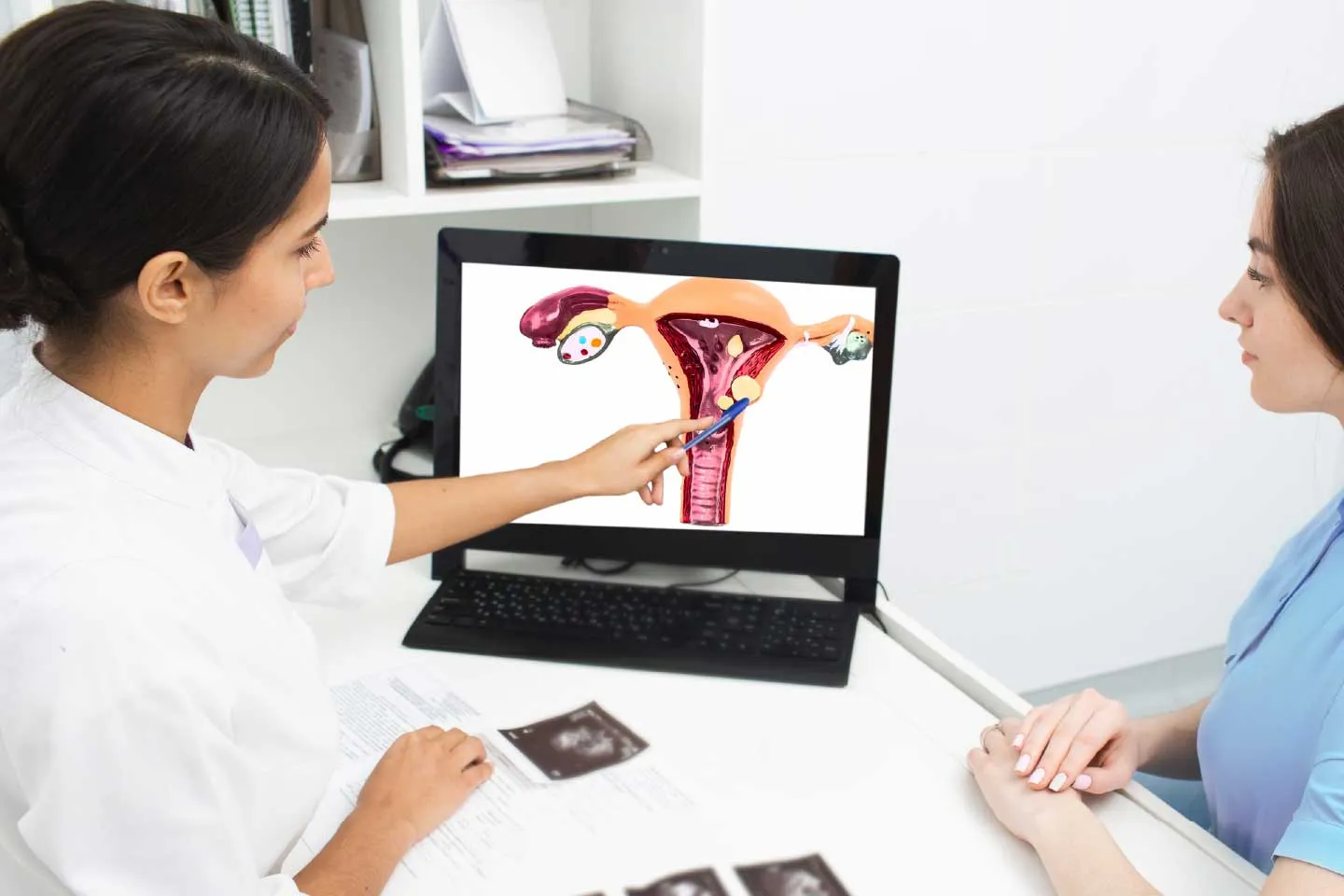
Pelvic pain, heavy periods, bloating, or changes in your menstrual cycle can have several possible causes. Two conditions that are often confused are uterine fibroids and ovarian cysts.
Although both can occur during the reproductive years and may cause similar symptoms, they are not the same condition. Fibroids develop from the muscle and connective tissue of the uterus, while ovarian cysts are fluid-filled or sometimes solid structures that develop in or on an ovary.
Symptoms alone cannot always tell you which one you have. However, understanding the typical differences can help you know what to discuss with your gynecologist.
What Are Fibroids?
Fibroids are non-cancerous growths that develop in or around the muscular wall of the uterus.
They can vary greatly in size and location. Some are small and cause no symptoms, while larger or strategically located fibroids may affect periods, pelvic pressure, or fertility.
Common symptoms can include:
- Heavy or prolonged menstrual bleeding
- Pelvic pressure or fullness
- Lower abdominal discomfort
- Frequent urination when a fibroid presses on the bladder
- Constipation or pressure on the bowel
- Pain during sex
- An enlarged or distended abdomen in some cases
Some people have fibroids without experiencing any noticeable symptoms.
What Are Ovarian Cysts?
An ovarian cyst is a sac or structure that develops in or on an ovary.
Many ovarian cysts are related to the normal menstrual cycle and resolve on their own. Others may persist or develop for different reasons and may require monitoring or treatment.
Symptoms can include:
- Pelvic pain
- A feeling of fullness or pressure
- Bloating
- Changes in menstruation
- Pain during sex
- Pain that may be more noticeable on one side
The symptoms depend on the cyst's type, size, and whether complications develop.
Fibroids Vs. Ovarian Cysts: How Can Symptoms Differ?
There can be significant overlap, which is why symptoms alone cannot provide a definite diagnosis.
Fibroids are more commonly associated with:
- Heavy or prolonged menstrual bleeding
- Pelvic pressure
- A feeling of fullness in the lower abdomen
- Frequent urination when pressing on the bladder
- Constipation when pressing on the bowel
- Pain during sex
Ovarian cysts may be more likely to cause:
- Pelvic pain
- Pain that may be more noticeable on one side
- Bloating or abdominal fullness
- Changes in menstruation
- Pain during sex
These patterns are only general. A person with either condition may have few symptoms or a combination of symptoms.
Does Heavy Period Bleeding Point More Toward Fibroids?
Heavy menstrual bleeding is a common symptom of fibroids, particularly when fibroids affect the uterine cavity or its lining.
However, heavy periods can have many other causes, including hormonal changes, adenomyosis, endometrial conditions, and certain bleeding disorders.
Ovarian cysts can also be associated with changes in menstrual bleeding in some cases.
If your periods have become significantly heavier, longer, or more painful than usual, a gynecological evaluation can help identify the cause.
Does One-Sided Pelvic Pain Mean You Have An Ovarian Cyst?
Not necessarily, but ovarian problems can cause pain that is more noticeable on one side.
A cyst may cause discomfort because of its size, bleeding, rupture, or other complications.
One-sided pelvic pain can also have many other causes, including conditions involving the uterus, bowel, urinary tract, or appendix.
Sudden, severe pelvic pain, particularly when accompanied by nausea, vomiting, dizziness, or fainting, requires prompt medical evaluation.
Can Fibroids And Ovarian Cysts Affect Fertility?
Both conditions can sometimes be associated with fertility difficulties, but this does not happen in everyone.
Fibroids may affect fertility depending on their size and location, particularly when they alter the shape of the uterine cavity.
Some ovarian conditions can also affect ovulation or reproductive function. However, many ovarian cysts do not interfere with fertility at all.
If you are trying to conceive and have been diagnosed with either condition, your gynecologist can assess whether it is likely to be relevant to your fertility.
How Can A Doctor Tell The Difference?
Symptoms provide useful clues, but imaging is often needed.
A pelvic ultrasound is commonly used to examine the uterus and ovaries. It can help identify fibroids, ovarian cysts, their size, and their location.
Depending on your symptoms and ultrasound findings, your doctor may recommend additional tests or imaging.
Your medical history, menstrual pattern, physical examination, and imaging findings are considered together.
Do Fibroids And Ovarian Cysts Always Need Treatment?
No.
Treatment depends on the condition, size, symptoms, age, reproductive plans, and other individual factors.
Small or asymptomatic fibroids may simply be monitored. Treatment may be considered when fibroids cause significant bleeding, pain, pressure, or other problems.
Many ovarian cysts, particularly functional cysts, resolve without treatment. Follow-up imaging may be recommended when a cyst needs monitoring.
Persistent, large, complex, or symptomatic cysts may require further evaluation or treatment.
When Should You See A Gynecologist?
You should consider an evaluation if you have:
- New or persistent pelvic pain
- Heavy or prolonged periods
- Bleeding between periods
- Pain during sex
- Persistent bloating or abdominal fullness
- Menstrual changes that are unusual for you
- Difficulty becoming pregnant
Seek urgent medical attention for sudden severe pelvic or abdominal pain, particularly if it occurs with vomiting, weakness, dizziness, or fainting.
Get The Right Diagnosis For Your Symptoms
Fibroids and ovarian cysts can cause overlapping symptoms, so trying to identify the cause based on symptoms alone can be difficult.
A gynecological evaluation and appropriate imaging can help determine what is actually causing your symptoms and whether treatment is needed.
If you have concerns about pelvic pain, heavy periods, ovarian cysts, or fibroids, Dr. Richa Gupta, Obstetrician & Gynecologist, can evaluate your symptoms and discuss the appropriate next steps.
Frequently Asked Questions
Q: Are fibroids and ovarian cysts the same thing?
A: No. Fibroids are non-cancerous growths that develop from the muscle or connective tissue of the uterus. Ovarian cysts develop in or on an ovary and can have several different causes.
Q: Which causes heavier periods, fibroids or ovarian cysts?
A: Fibroids are commonly associated with heavy or prolonged menstrual bleeding, particularly when they affect the uterine cavity. Ovarian cysts can also cause menstrual changes, but heavy bleeding is not a defining symptom of most ovarian cysts.
Q: Can an ovarian cyst cause sudden severe pain?
A: Yes. Some ovarian cysts can cause sudden severe pain if they rupture or contribute to ovarian torsion. Sudden severe pelvic pain should be assessed promptly.
Q: Can fibroids or ovarian cysts affect pregnancy?
A: They can in some circumstances, but many people with fibroids or ovarian cysts become pregnant without difficulty. The effect depends on factors such as the size, location, type, and number of fibroids or the type of ovarian cyst.
Q: Can an ultrasound tell whether I have a fibroid or ovarian cyst?
A: Ultrasound is commonly used to evaluate both conditions and can often distinguish between them by showing whether a finding is associated with the uterus or ovary. Your doctor will interpret the imaging along with your symptoms and medical history.
Q: Do all fibroids and ovarian cysts need to be removed?
A: No. Many fibroids and ovarian cysts do not require surgery. Management depends on symptoms, size, location, type, age, reproductive plans, and other clinical factors.

Breast Cancer Awareness Starts with Early Detection
Changes such as lumps, nipple discharge, skin dimpling, or persistent pain should not be ignored.
Self-awareness and routine women's health consultations are important at every stage of life.
Our Blogs
Explore expert insights, pregnancy tips, and women’s healthcare guidance to support your wellness at every stage of life.






© Dr. Richa Gupta. All rights reserved. 2026 | Digital Marketing by Remedo